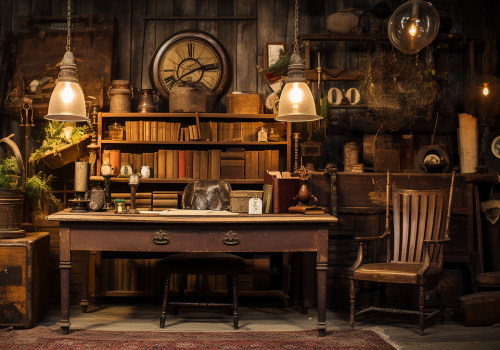
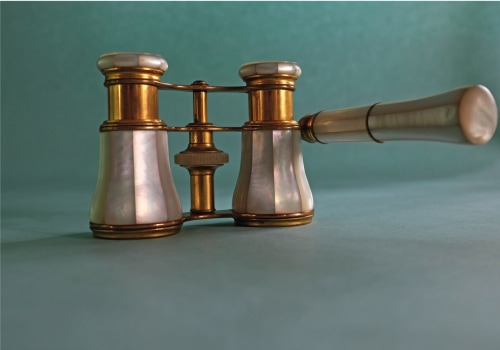
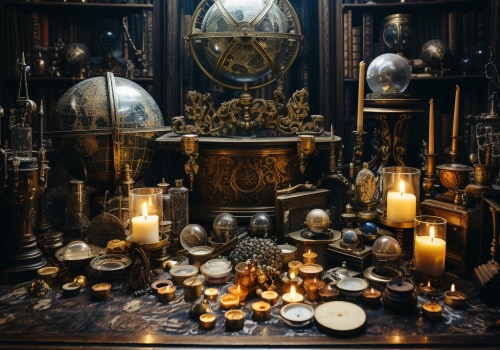
Antique shopping offers more than the thrill of uncovering rare treasures—it opens a window into the craftsmanship, aesthetics, and cultural influences of earlier eras. Designers and fashion enthusiasts alike often turn to antique markets, estate sales, and vintage boutiques to study silhouettes, fabrics, and decorative motifs that have stood the test of time. By examining garments, accessories, furniture, and textiles from previous generations, creatives gain insight into the artistry and construction methods that shaped historical style. These discoveries frequently spark new ideas that reinterpret the past in fresh, contemporary ways.
Reviving Classic Silhouettes and Details
One of the most visible ways antique shopping influences modern fashion is through revived silhouettes and detailing. Victorian lace collars, Art Deco beadwork, and mid-century tailoring techniques often reappear on today’s runways. Designers study antique pieces to understand how garments were structured, how embellishments were applied, and how materials were layered for dimension. The resurgence of puff sleeves, corset-inspired bodices, and intricate embroidery reflects a growing appreciation for heritage craftsmanship. These elements, once considered relics of another time, are now woven into modern collections with updated proportions and contemporary styling.
Textiles, Textures, and Timeless Craftsmanship
Antique shopping also exposes designers to textiles and textures rarely found in mass production today. Handwoven lace, silk brocade, and delicate tulle reveal the meticulous labor that defined earlier fashion eras. By incorporating these inspirations into modern garments, designers can elevate their creations with a sense of authenticity and depth. Bridal fashion, in particular, often draws heavily from antique aesthetics. Observing vintage wedding dresses can inspire contemporary interpretations, much like the refined elegance showcased by House Of Luxe Bridal Atelier Miami wedding gowns. Through blending traditional craftsmanship with modern tailoring, designers create pieces that honor history while meeting current tastes.
Antique Influence Beyond Apparel
The impact of antique shopping extends beyond clothing and into broader design fields, including interior décor and accessory design. Ornate mirror frames, carved wooden details, and vintage color palettes frequently inspire modern home collections. Fashion designers may borrow patterns from antique wallpaper or adapt embroidery motifs from historical tapestries into their textile prints. Jewelry designers often replicate antique settings or reinterpret heirloom gemstones into sleek, modern pieces. This cross-disciplinary inspiration underscores how antique discoveries can shape creative expression in multiple industries.
Sustainability and Conscious Design
Another important influence of antique shopping is its connection to sustainability. As consumers grow more aware of environmental impact, many seek alternatives to fast fashion and disposable design. Antique pieces represent durability and longevity, qualities that modern designers strive to emulate. By studying well-preserved garments and furnishings that have lasted decades or even centuries, creatives learn the value of high-quality materials and thoughtful construction. Incorporating these principles into new designs promotes sustainability while preserving aesthetic richness.
Blending Heritage With Innovation
Ultimately, antique shopping bridges the gap between heritage and innovation. It encourages designers to look backward in order to move forward, blending timeless elegance with contemporary vision. Whether through revived silhouettes, intricate embellishments, or sustainable craftsmanship, antique influence continues to shape modern fashion and design in meaningful ways. By honoring the artistry of the past while embracing present-day creativity, designers craft pieces that feel both nostalgic and refreshingly new—proof that true style never goes out of fashion.